
Prefabricated Buildings - Leading Construction Company in Bongaigaon, Assam -
Construction Solution
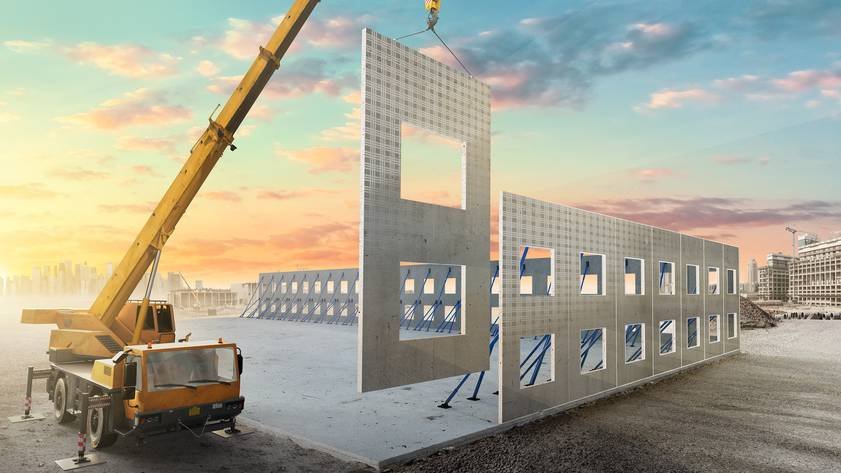
Prefabricated Buildings
Prefabricated buildings are constructed off-site in factories and then transported to the construction site for assembly. This method can offer several advantages, such as faster construction times, reduced waste, and improved quality control.
Types of Prefabricated Buildings:
- Modular Buildings: These are constructed from individual modules or sections that are built in a factory and then joined together on-site. They can range from small residential units to large commercial buildings.
- Panelized Buildings: These are made up of prefabricated panels that are assembled on-site. They are often used for residential and commercial buildings.
- Volume Modular Construction (VMC): This involves constructing entire buildings off-site in a factory and then transporting them to the site for installation. This method is particularly suitable for larger projects.
Advantages of Prefabricated Buildings:
- Faster Construction: Prefabricated buildings can be constructed much more quickly than traditional buildings, as many of the components are already pre-built and ready for assembly.
- Reduced Costs: Prefabricated buildings can often be more cost-effective than traditional construction due to factors such as reduced labor costs, less waste, and improved efficiency.
- Improved Quality Control: Prefabricated buildings are built in a controlled factory environment, which can lead to higher quality standards and fewer defects.
- Greater Flexibility: Prefabricated buildings can be customized to meet specific needs and preferences, and they can be easily modified or expanded in the future.
- Sustainability: Prefabricated buildings can be designed to be more sustainable, with features such as energy-efficient systems and reduced waste.
Prefabricated buildings offer several advantages over traditional construction methods. These include faster construction times, reduced costs, improved quality control, greater flexibility, and the potential for increased sustainability. As technology continues to advance and construction methods evolve, prefabricated buildings are likely to play a more significant role in the future of the construction industry, providing efficient and innovative solutions for a wide range of building projects.
Frequently Asked Questions?
What are the key stages involved in construction building?
The key stages in building construction are: Site preparation, Foundation construction, Framing, Roofing, Plumbing, and electrical installation, Interior finishing.
How long does a typical construction project take?
The timeline can vary depending on the size, complexity, and scope of the project, ranging from a few months to several years.
What factors influence construction costs?
Factors that influence construction costs include: material costs, labor costs, design complexity, location, permits, and regulations.
How can I ensure the quality of my construction project?
To ensure the quality of your construction project, follow these guidelines:
Select a reputable contractor with experience and a proven track record.
Carefully review the construction plans and specifications.
Perform regular inspections throughout the construction process.
Employ a qualified inspector to evaluate the final product.
What are some common construction challenges?
We encounter various challenges when building your dream home. The most common ones include weather delays, material shortages, labor shortages, and unexpected changes in design or scope.